Decadent afternoon tea, moving Irish history, charming parks and an authentic pub are among the ways to make your stray in Ireland’s capital memorable and meaningful.

When it comes to Ireland, Dublin gets a bit of a bad reputation.
Some people advise tourists to skip it altogether and spend all their time in the countryside.
“We skipped Dublin on both our trips … seven days total,” wrote one man on an online Ireland travel forum I’m in. “Give me a small Irish town over Dublin … Too many people, too many tourists, too much $$$$$$. Thanks but no thanks.”
Another woman recently wrote: “Normally I am not a fan of the city and today proved to be true … I absolutely did not like the city.” She had spent much of her time at two tourist traps: the Guinness Factory and Temple Bar.
Despite the warnings I booked three nights in Dublin to let myself acclimate to the time change and assess the city for myself. I’m so glad I did. My second day in Dublin is honestly one of the best days I’ve ever had. It was so magical that I fell asleep drunk, happy and shedding a few tears at the wonder of it all.
I want to share my itinerary with other visitors, particularly solo women, in hopes that they can have a similar day filled with moving Irish history, charming parks, a decadent afternoon tea and an authentic pub experience with musicians who aren’t just playing for tourists.
My detailed itinerary is below. I got lucky and had perfect weather so I spent a lot of time outdoors. I’ve included alternate plans if wet weather threatens to spoil the day.
1. Trinity College
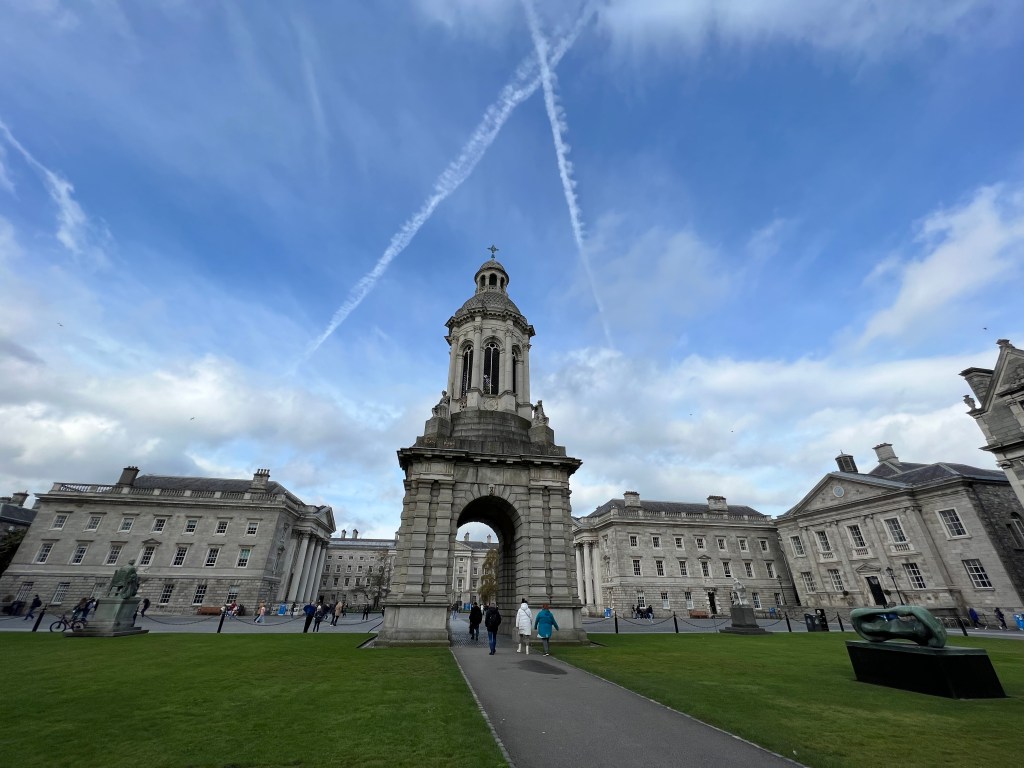
Start your day by 10 a.m. at Trinity College, which has a beautiful campus and is home to the must-see Old Library.
The campus is striking for its architecture and how tranquil it is compared to the heart of the city center just outside the inward-facing buildings. Once inside the library, I was captivated by the by the seemingly infinite stacks of ancient books and the sky-high wooden ceiling that looks like a long row of gleaming wine barrels.
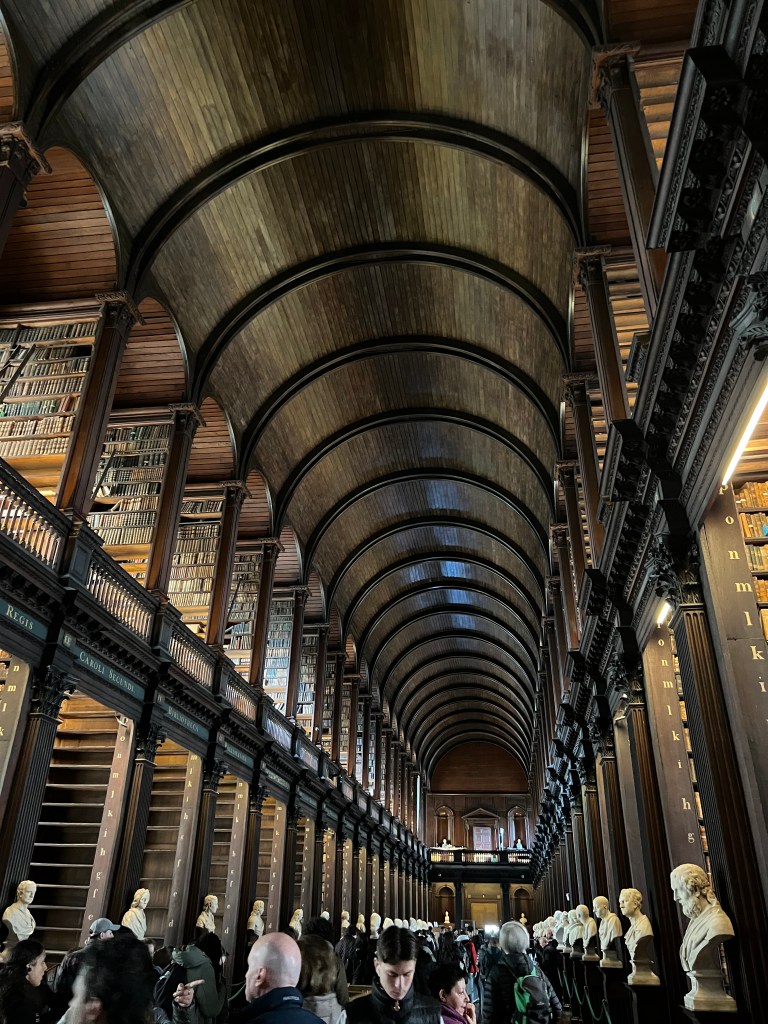
On the way in, you’ll walk by the the famed Book of Kells, which dates back to around 800 A.D. and now sits behind a glass box. No photos allowed.
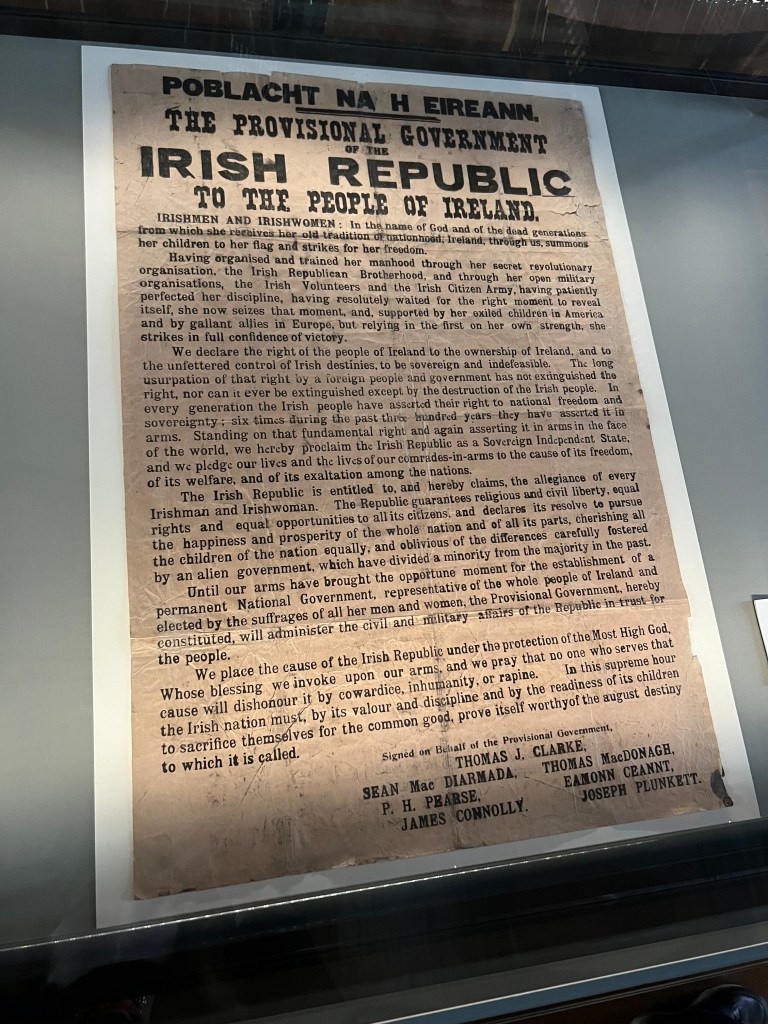
Though many come primarily to see the book, the real star is the library itself, both for its beauty and for one of the roughly 12 survivors of the original copies of the Proclamation of 1916. The proclamation was a declaration of independence from England and its creation essentially marked the beginning of the failed Easter Rising, a week-long armed insurrection against British rule in Ireland.
It’s incredible to be able to look at one of the only existing originals of the proclamation and you should make a point of seeking it out as you walk through the library. It’s at the end of one of the bench areas roughly 100 feet after you walk in.
Do look at the names of the men who signed the document, Joseph Plunkett‘s in particular. His name and story are a key part of this guide to Dublin in one day.
The Old Library is quite a popular tourist destination so you’ll want to book a ticket well in advance. I recommend doing so no later than 10 a.m. but you’re an early bird you might want to grab an 8:30 a.m. to beat some of the crowds. (There was still an 8:30 slot open on the day I went but no other times were available.)
2. Merrion Square Park
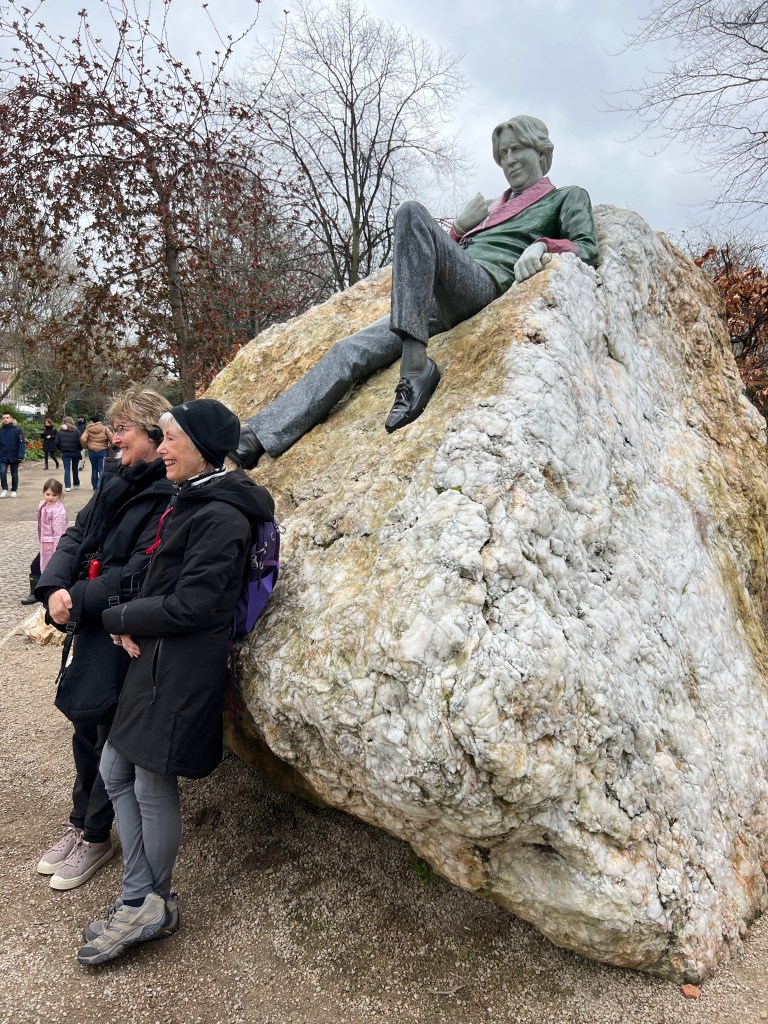
Just a short walk away from Trinity College is Merrion Square Park. I grabbed a delicious to-go coffee on the way at Cafe Tri Via and popped over to take a gander at the Oscar Wilde monument.
It’s a quirky site that can be busy with tourists but it’s certainly worth a look and a selfie on the way to the rest of the park. Its tree-lined paths and blankets of flowers are a pleasant respite from what likely was a crowded morning at the library. Take in the lovely sights among the locals walking their dogs and do the full but relatively short circular path. If you have children there’s a playground.
If the weather is crummy, take in a free museum nearby. Directly across the street is the National Gallery of Ireland, which has entire rooms dedicated to the country’s best artists and some works by Picasso, Monet and Rembrandt.
If the kids are along the safer bet is the National Museum of Ireland – Natural History, which is packed with stuffed and mounted animals where children were oohing and aahing during my visit.
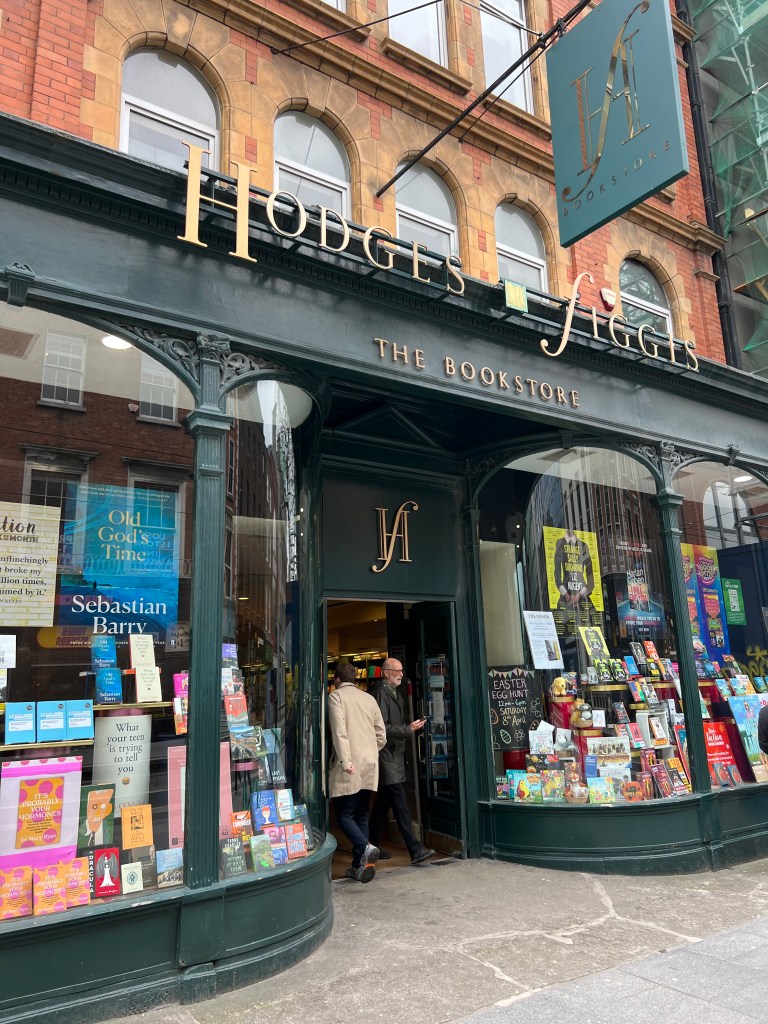
3. Hodges Figgis
Roughly 10 minutes away from the park and museum area is the most charming bookshop called Hodges Figgis. The children’s section is delightful and I love how the store highlights Irish authors right as you walk in the door.
I ended up buying “Small Things Like These,” a 2022 Booker Prize finalist by Claire Keegan. I was drawn both to the book’s description and its small size. It fit perfectly in my cross-body purse and I didn’t want to be lugging a bag around the rest of the day. Coincidentally, the first page of the book has a quote directly from the Proclamation I had just seen an hour earlier.
I recommend buying a book like I did for the next stop.
If the morning I’ve described so far seems like too much for you, prioritize Trinity College and save the rest for another day, perhaps.
4. Afternoon tea at the Shelbourne
Do not miss this experience.
My time here was one the loveliest afternoons I’ve ever had. I reserved a table at noon about a month in advance and recommend you do so during high season but there were some open tables during my visit in April 2023.
You’ll be seated in the tea room with its vaulted ceilings and twinkling chandeliers. You’ll have your choice of dozens of teas. There were so many that I ordered a coffee while deciding. I ended up settling on the excellent Irish Afternoon Gold.
The service comes with three types of scones, complete with sides of butter, jam, and decadent clotted cream, four mini sandwiche,s and four petite desserts. The server will find out which sandwiches are your favorite and bring you one or two more on the house. I loved the whiskey-cured smoked salmon with lakeshore mustard on Guinness bread, and the roast chicken and chive mayonnaise on poppy seed roll.
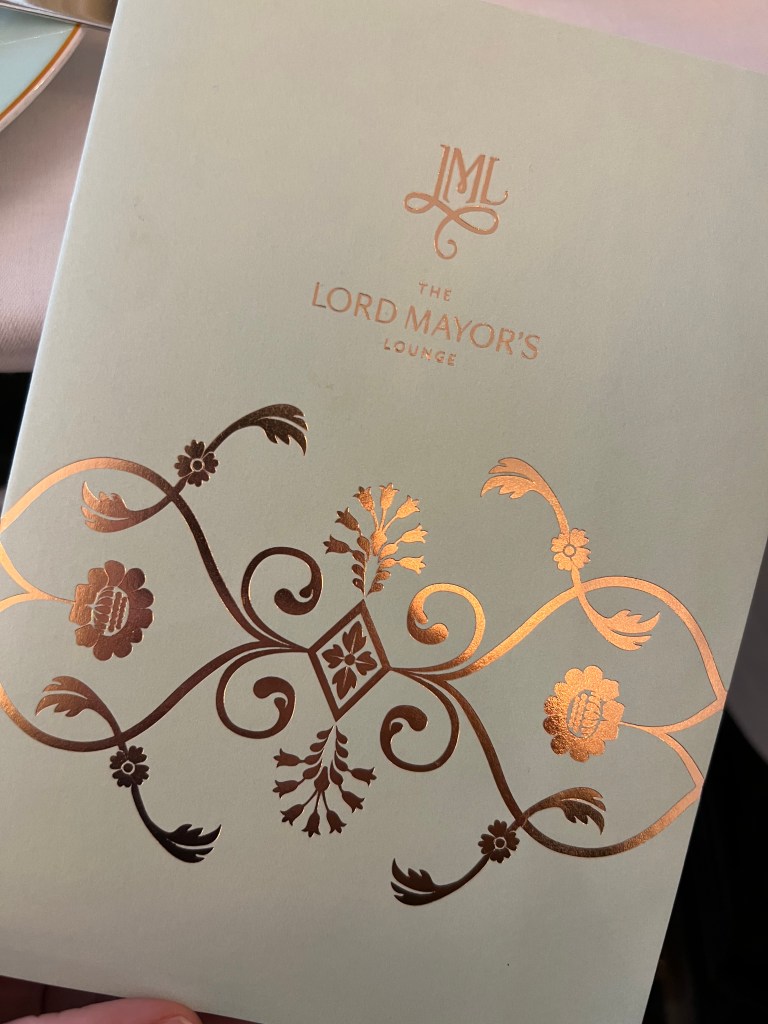
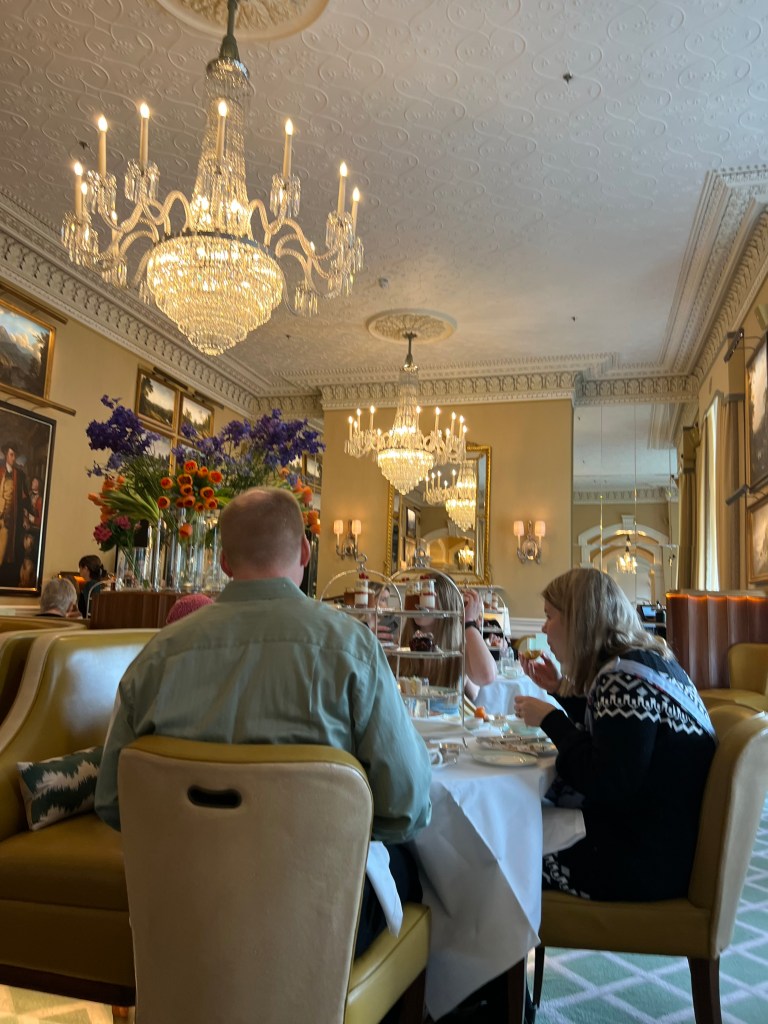
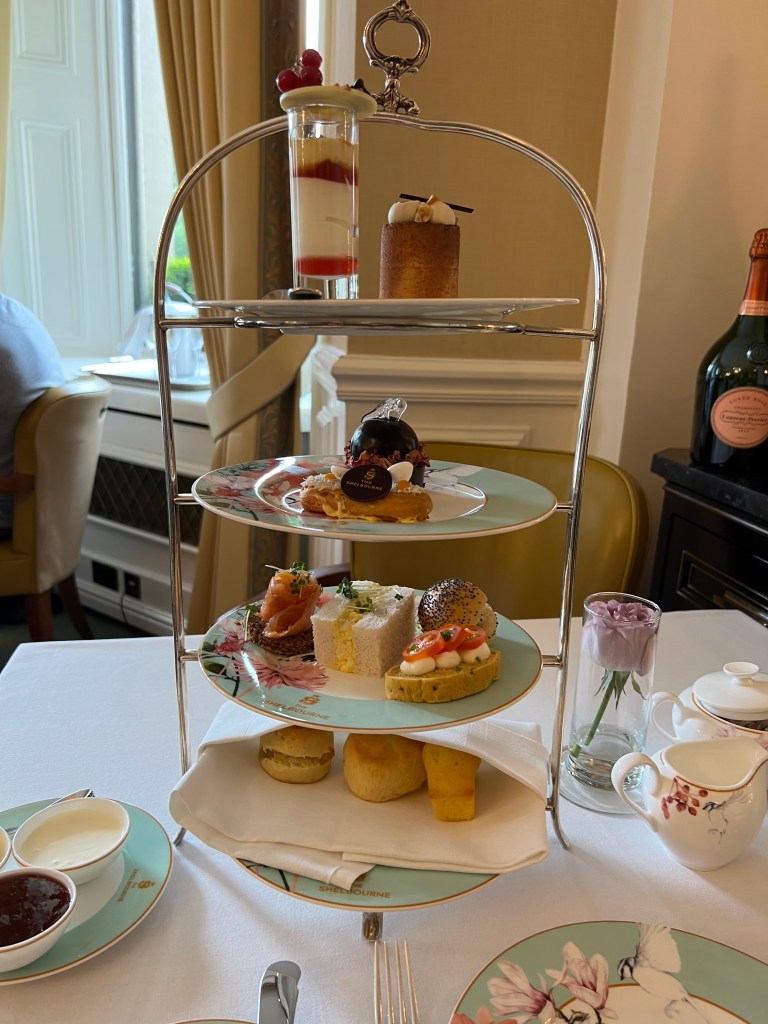
After the scones and six mini sandwiches, I was so full that I mostly only had one bite of each dessert, though I couldn’t resist finishing my favorite, the apple and yogurt trifle. I also tried a second tea at the recommendation of the server: strawberry and cream. It was the perfect accompaniment to dessert.
I am traveling on a budget but this was an indulgence worth every penny. I was mildly concerned about the extras I had ordered: coffee, the second tea, the other sandwiches. But they were all included in the standard afternoon tea price of €65. I added a tip of €10 (which is generous by Irish standards).
By the time I was done, I was keen to walk off all the tasty treats, which brings me to the next stop.
5. St. Stephen’s Green and Iveagh Gardens
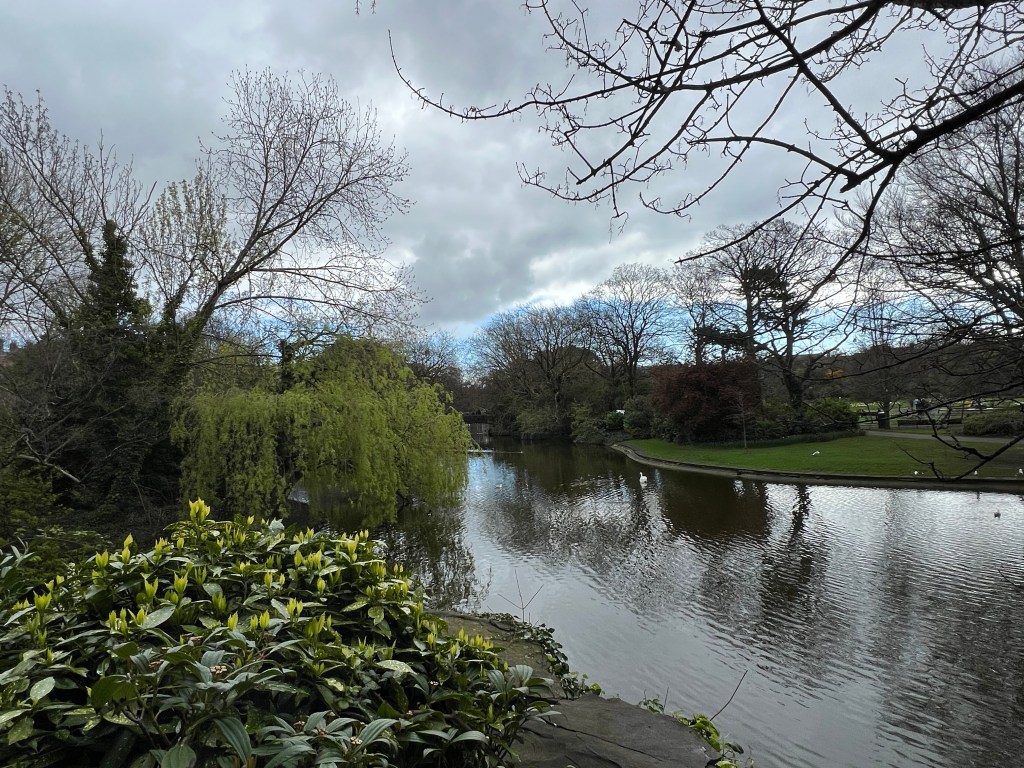
Just across from the Shelbourne is St. Stephen’s Green, a sprawling city park just as popular with locals as it is with tourists.
I enjoyed watching the teeming bird life and the locals who were feeding them. One older gentleman was taking obvious delight in feeding a couple of squirrels, and it was clearly a ritual for him.
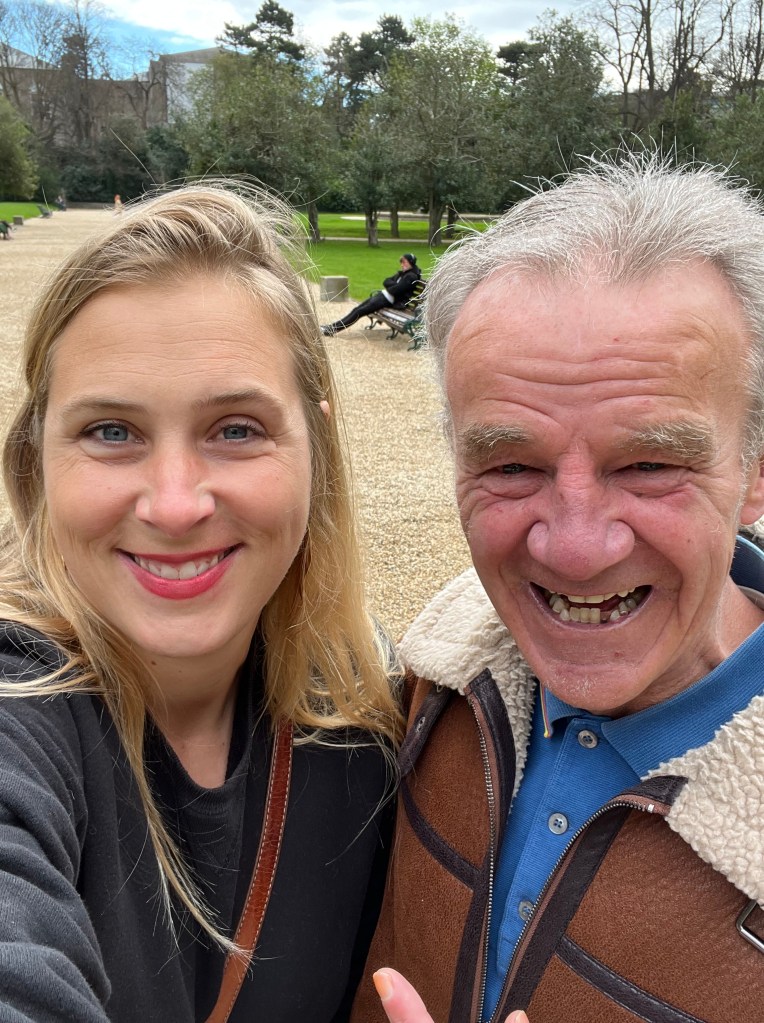
Just a four-minute walk away is a much smaller, quieter park with few tourists. Leave St. Stephen’s Green from the westernmost corner and take Harcourt Street south. Turn left on Clonmel Street and you’ll be at Iveagh Gardens (it’s pronounced Ivy).
I enjoyed strolling though both these parks for different reasons and they’re both totally worth your time. Iveagh Gardens has a large fountain and on the day I was there, a local grandad named Jerry was playing with his grandson and chatted me up about the weather and my visit. Jerry wished me well and advised me not to miss the gardens by Trinity Cathedral on such a lovely day.
Sláinte to Jerry!
If the weather is dreary, now might be a good time to pop over to one of the free nearby museums already mentioned or get over to Trinity Cathedral. The inside of the church felt way too geared toward tourists for me but as they crowded the entrance area and waited in line for headsets, I made my way directly to the altar and had a good peaceful 10 minutes taking in the cathedral before the hoards made their way over. I recommend you do the same as I did if you do go, and you can always circle back for the audio guide. If it’s sunny, do make it to the gardens outside the cathedral.
I would not call the cathedral itself a must-see if you need to nix something from the day. I enjoyed the National Gallery more.
6. Kilmainham Gaol
I’m not big on tours and I’m not big on what I call sad tourism. When I first went to France I didn’t want to go to Normandie. When I visited Hawaii I didn’t want to see Pearl Harbor. I’m on vacation for fun, right?
So, reluctantly, I booked a nearly €8 Euro ticket to Kilmainham Gaol, thinking I’d try to make it to the historic prison if I could but that I wouldn’t be heartbroken if I couldn’t.
My experience at the jail was so incredible that it made me seriously question my stance on sad tourism. The obligatory tour of the jail is worth every bit of the hour that it takes.
Remember how I told you to make note of the name Joseph Plunkett, one of the men who signed the Proclamation on display at the Old Library? His is one of the first names to come up on the tour of Kilmainham Gaol, and his story will always stay with me.
I won’t spoil the entire tale for you, but suffice it to say that Plunkett was executed for fighting for Irish independence and that the day before his last on Earth, he married his childhood sweetheart, Grace Gifford. During the tour I learned about their love story, looked into both of their prison cells and saw the site of his execution.

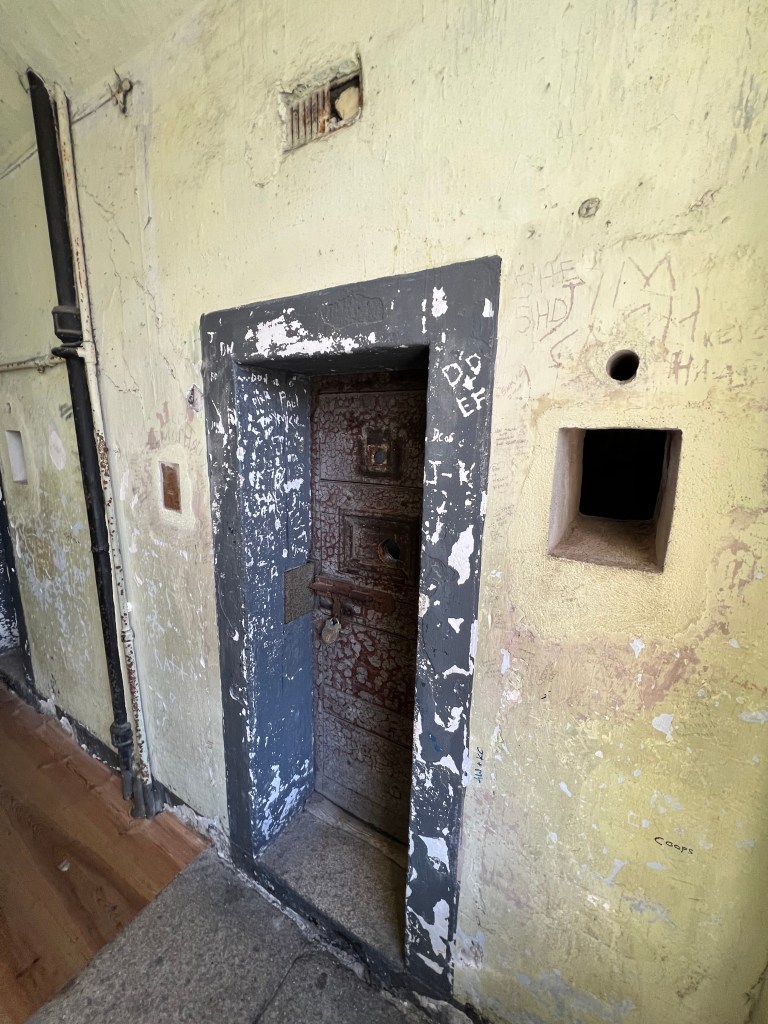

Their heartbreaking story really humanized the conflict for me and is one well worth hearing.
From any part of the city center, it’s best to hop on a bus and pay the roughly €2 to get here.
7. Modern art museum and grounds
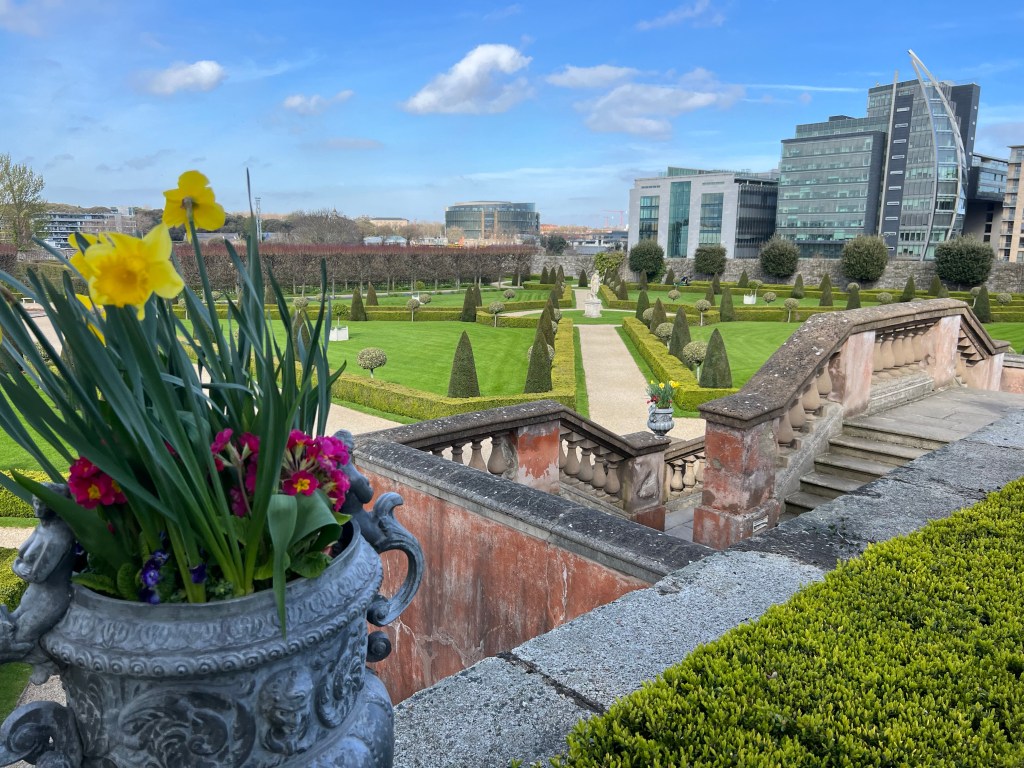
Following the bleakness and confines of the prison is a short stroll across the street and down a wide, car-free path to the Irish Museum of Modern Art.
There’s no need to go inside if you’ve had your fill of culture for the day but I found the walk over refreshing and the adjacent gardens remarkable given all the time in parks I had already spent.
The gardens were immaculate and manicured to precision and there was not a soul in sight except for a man on a lawmaker belting out a song.
Once you’ve had your walkabout, hop back on the bus to the city center for some pub grub.
8. Pub dinner and music
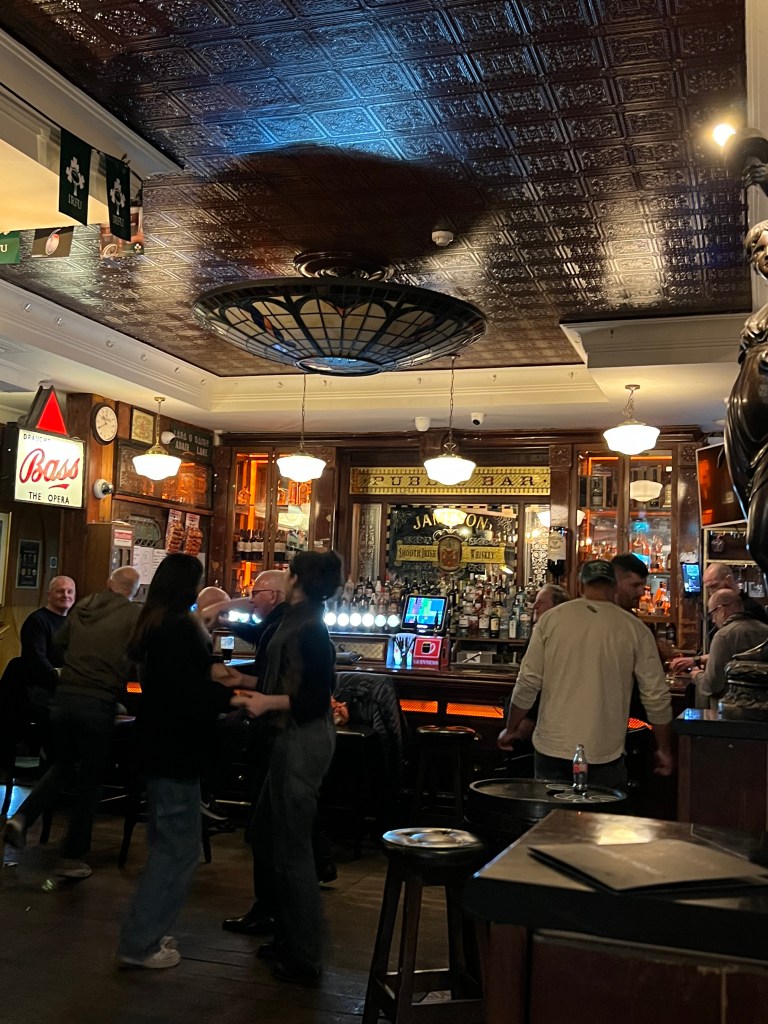
I had a list of roughly a dozen I wanted to try, knowing that I’d never even get to half of them during my three nights in Dublin. I settled on Darkey Kelley’s because it was fairly convenient to my hotel and I didn’t want to be too far flung as a woman alone at night in a new city after a couple of pints.
I’m so glad that was my choice not because of Darkey Kelley’s itself but for what would later ensue. I arrived early around 6 p.m. to get a good spot on the bar. Once I finishing up my meal of Guinness stew, it started to get pretty crowded and a couple of Americans asked the quiet Irishman to my left if he could scoot over and make room. This packed us in pretty good and soon I was in conversation with the three of them.
The Americans were a dad who was roughly around 60 years old and his adult daughter. They were in Dublin for one night on the way back from a trip to Italy. The Irishman, I would come to find out, is a conservation architect and a regular at the bar.
The American dad made just about every conversational misstep with the architect. He brought up painful parts of Ireland’s history, politics, U2 (He made some weird assumption everyone in Ireland loves U2 and couldn’t believe the architect can’t stand them). Just a litany of super obvious, often insensitive questions and comments. The architect made it obvious such talk was unwelcome but the American was not listening, at one point even brining up Cromwell.
The architect nearly fell out of his chair. “Don’t say that name in here!” The clueless American just laughed.
I had been chatting here and there with the architect and politely discouraging with the American’s line of talk. By the time they left, the architect knew I was an ally and said he’d never been around anyone more clueless in his life. (The American’s daughter was very nice.)T
The architect invited me to another pub where they were playing “real Irish music.” That night at Darkey Kelley’s, there was a musician but the architect said that most of the songs he was playing were geared toward tourists.
I normally would have reservations about leaving with a man I hardly knew after several pints but we had made a connection and I could tell he was safe. It’s sometimes hard to tell such things but I always trust my gut and it told me this was a good man and that I should go have an authentic experience.
What followed was so special I can hardly put it into words. But I spent a couple hours in a pub with amazing singers, both men and women, who were singing the most beautiful or fun traditional songs, which had many of the locals either joining in or wiping their eyes.
Then they started singing “Grace.” The architect had explained to me that it was about Grace Gifford and her husband Joseph Plunkett, the couple I had learned all about during my poignant experience at Kilmainham Gaol.
The lyrics that made me start crying go:
“Oh Grace, just hold me in your arms and let this moment linger
They’ll take me out at dawn and I will die
With all my love, I place this wedding ring upon your finger
There won’t be time to share our love for we must say goodbye.”
Ending the day by crying over “Grace” when I didn’t even know who Grace was that morning is an experience I’ll never forget. For a brief few moments, I felt some small measure of the immense pain the Irish people have lived through. It was a lesson in history, culture and empathy.
Dublin, you’re incredible.
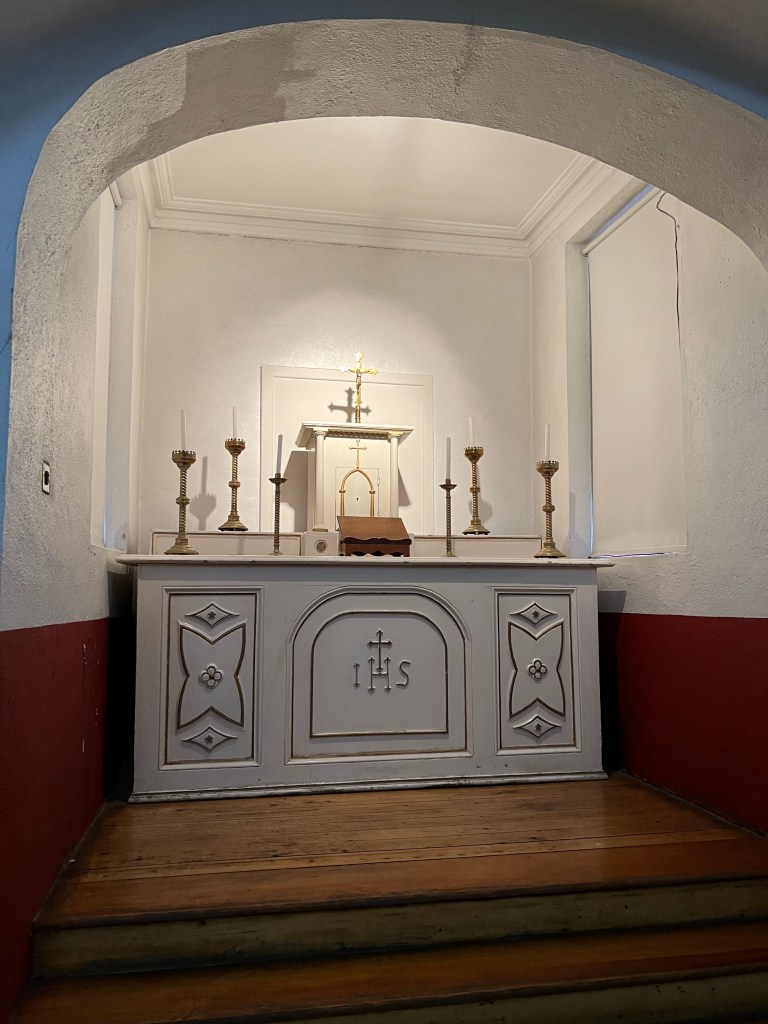
To read more about Grace Gifford and Joseph Plunkett, I recommend reading this.
 She Goes Alone
Thanks for this lovely program.
I shall soon put it to good use in addition to my own plan
LikeLiked by 1 person