Every traveler knows that part of the journey is the unexpected. Sometimes, things will not go as planned. You likely will get lost at some point, you may miss the last bus back to the hotel, you could even lose your passport.
It seems there’s always something. But it’s not the disasters you encounter that matter, it’s how you respond to them or even avoid them altogether.
As a woman traveling alone, I will not go anywhere without these 10 essential items that I believe keep me safer and more prepared in the event of disaster. I recommend them to everyone.
1. Portable charger
When I’m traveling solo, I eat through my phone battery so much faster than when I’m with people. I’m likely taking more photos, reading while I’m out eating, mapping the next place I need to go and texting friends and family back home.
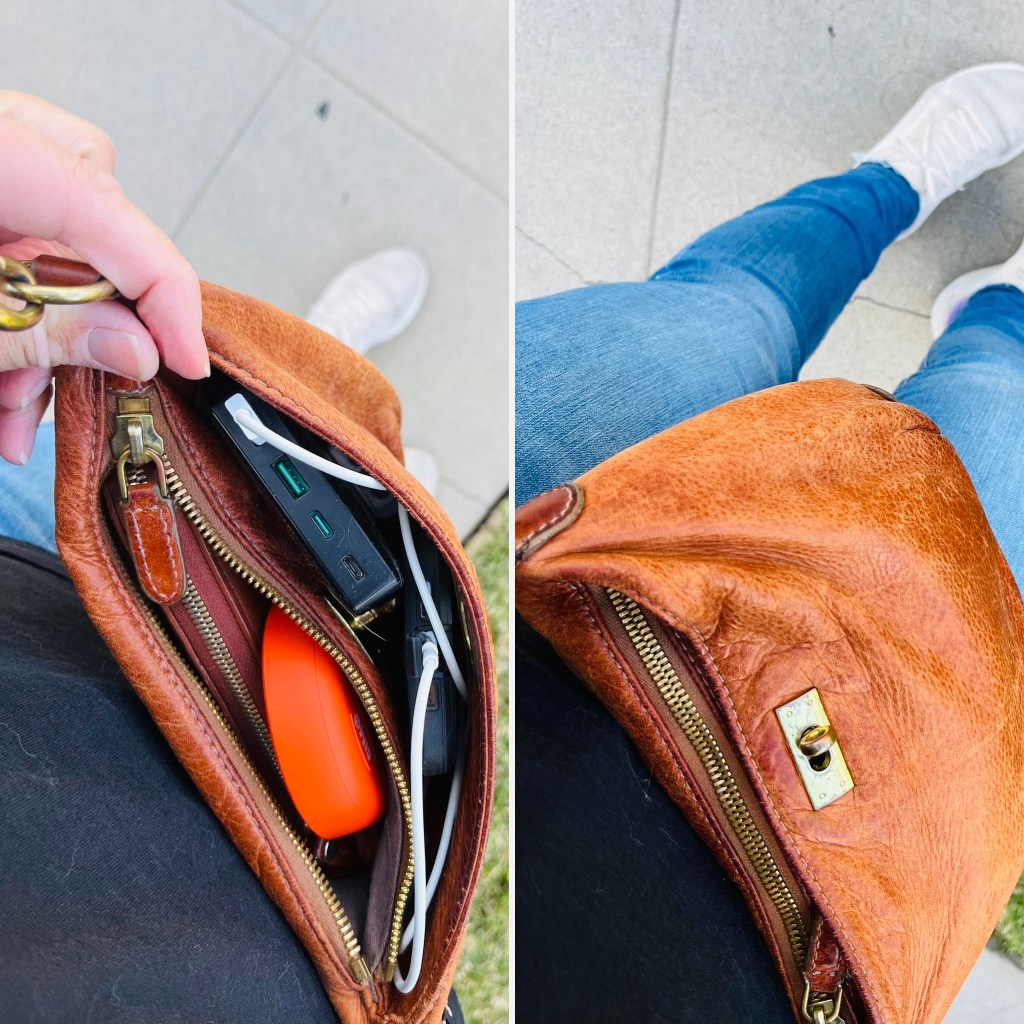
Having a charged phone not only helps keep me occupied and connected while out and about alone, it can be a lifeline.
It also saved me one time when I accidentally broke my European power adapter at night in a small village and had to get an early start in the morning for a trek. Because I had my portable charger, I didn’t have to worry about buying a new adapter for days. I’m not sure I could have found one before I reached a decent-sized city but I didn’t even have to look.
Do not risk a dead phone. Buy a portable charger with some stamina: Mine holds almost 10 whole charges for my phone. Look for one with a capacity of at least 20,000 milliamp Hour (mAh). Mine is made by Anker and easily fits in my small cross-body travel purse. But it has already been trumped by newer, lighter versions.
Check out some options here.
2. Reliable WiFi
This goes hand in hand with a portable charger. On a recent trip to Europe I rented a hotspot device for the first time and now I can’t go back to traveling without one.
Before, I would sign up for Verizon’s various options for international travel, usually $10 per day or $100 monthly. It sounds like a decent deal but I would inevitably go over the data limit and incur ridiculous fees. Not to mention that if I’m traveling longer than a week or two, $10 a day quickly adds up.
Now that I can take longer trips because of remote work, it’s even more important that I have stellar and unlimited WiFi. I just bought my own hotspot device so I didn’t have to waste money on a rental.
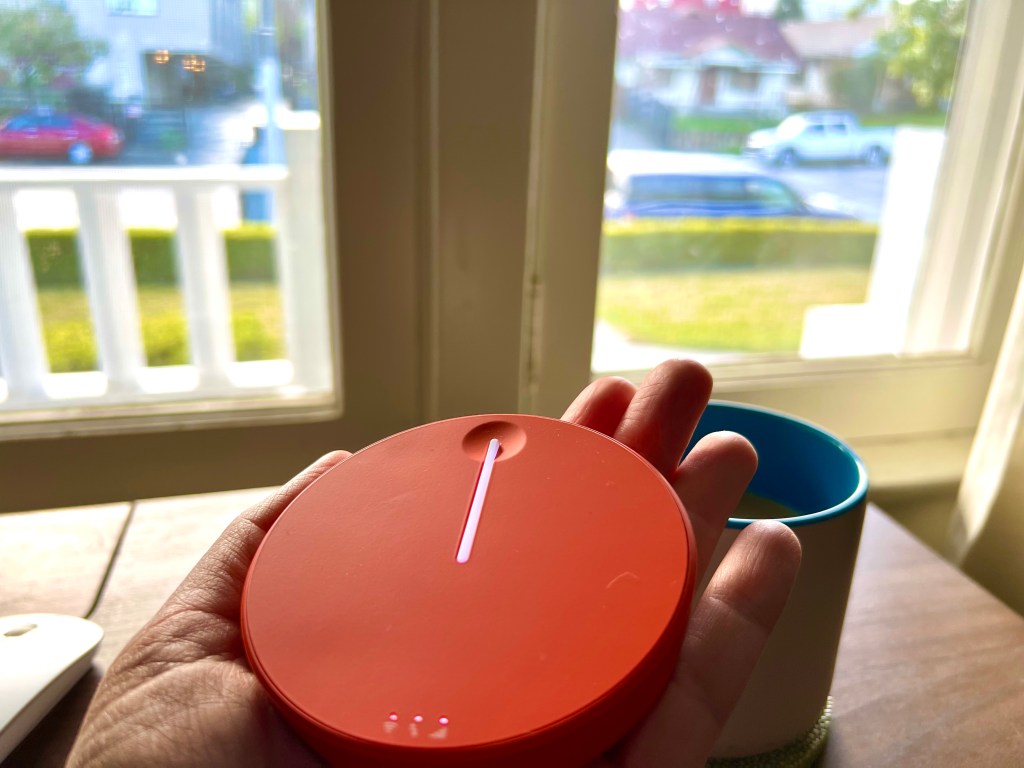
It wasn’t cheap. The one I chose was $140 but that’s about how much I spent on a rental. Now I will always have my own device, and it only weighs 10.5 ounces. I am doing a pay-as-I-go plan and only using it when I plan to be out of the country. The plan I just signed up for will give me a whopping 20 GB of data monthly for $49 per month. (For context, I used 5 GB of data last month in the U.S., so 20 should be more than enough.)
For me, having the device removes the stress of WiFi that can be unreliable in hotels and apartments. One hotel where I stayed for five nights had embarrassingly bad WiFi and I would have been in quite a bind if not for my hotspot.
I also like being able to use it wherever I am on the go, and not worrying about reaching some super-low limit set by my cellphone company.
Other options might make more sense for shorter trips or if you don’t plan a ton of time abroad. Other people buy local SIM cards when they land (check with your provider if this an an option for you), and some are OK with being disconnected for a few hours or even days.
3. Cross-body purse
Not only are small, cross-body purses convenient, but they’re a great way to prevent pickpocketing or bag-snatching.
I invested about $120 in a small, leather one at J. Crew and it has lasted me on my travels for more than a decade. Inside, I can fit my wallet, phone, portable charger, hotspot device, and some lipstick, of course.
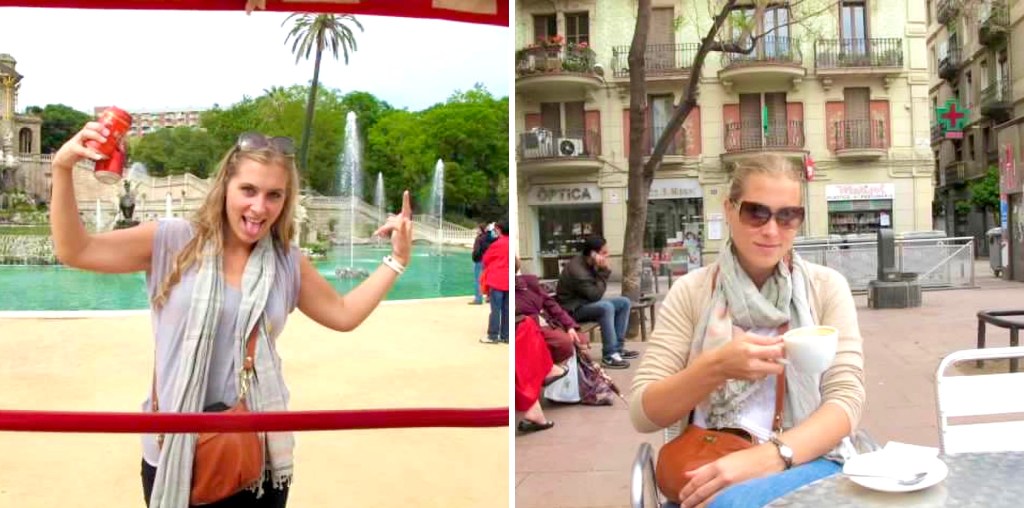
I have everything I need with me, and it’s hands-free. Because it goes over one shoulder and under an arm, it’s infinitely more secure than a shoulder bag.
A cross-body purse is not quite as safe as a money belt, but I’ve never enjoyed shoving those inside my clothes and having to awkwardly trying to retrieve things when I need them.
CNN has a helpful article about the best cross-body options, as does Travel+Leisure.
4. Copies of passport, credit cards
I always pretend that I’m going to get robbed and act accordingly. That means I have the ability to cancel credit cards at a moment’s notice and can retrieve a copy of my passport, making it so much easier to replace and continue traveling.
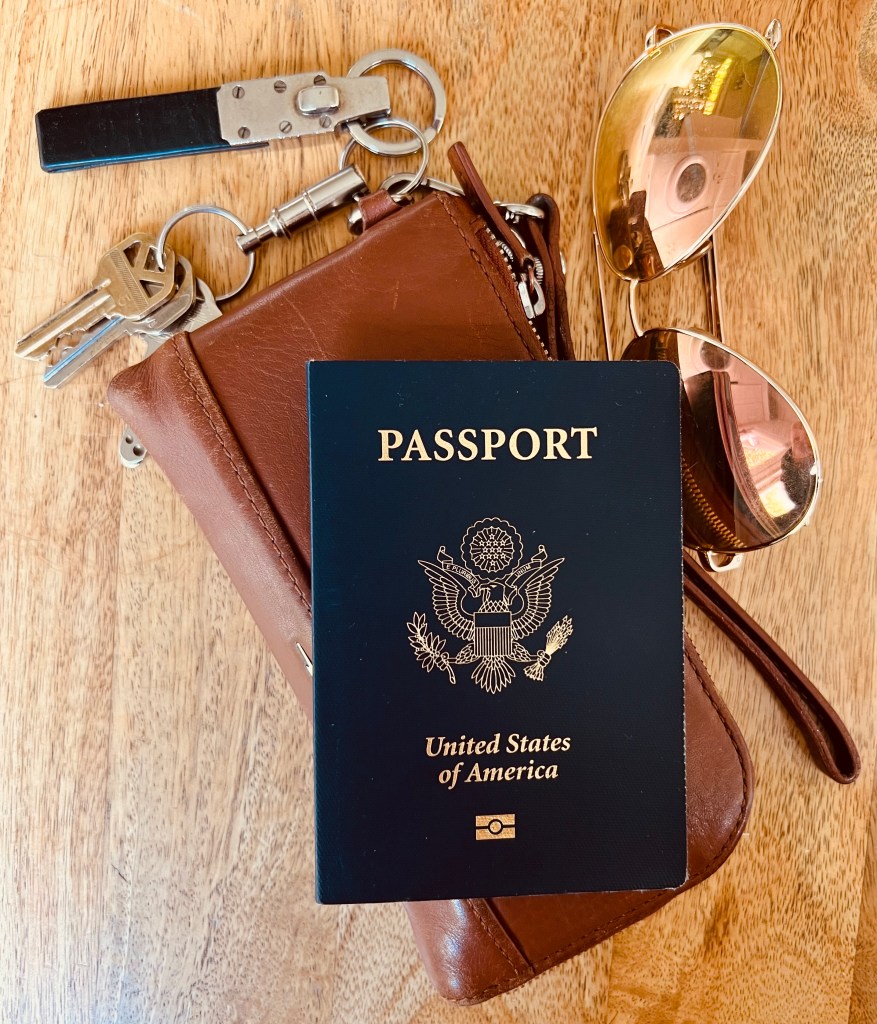
I recommend carrying a copy of those items in another bag and finding a secure way of accessing them digitally (don’t just take a picture with your phone because that won’t help you if it’s stolen, too.)
Cyber security experts recommend using an encrypted messaging app like Signal as opposed to say, emailing yourself your sensitive documents, as that can much more easily be hacked.
Another good idea is to never have too much cash in one spot. If only a portion of your cash gets stolen, it’s a bit less painful than if the whole stash is gone. I tend to have some in a front pocket or my bra, in my wallet and back at the hotel.
5. Luggage tracker
This is one is not so much for safety as it is for convenience. A luggage tracker can help you find your bag if it’s stolen or lost (though I always recommend carryon-sized bags for all travel).
Being able to track your bag is not always going to mean you recover can recover it, but it’s better than nothing. I recently bought in an Apple AirTag and have no complaints, especially for $29.
The tracker came in handy when I went on a multi-day trek in the Alps and had to use a transfer service for my luggage. I was able to watch my bag’s progress over several days as it made its way to the train station where I would need to pick it up two weeks later.
6. Lies
Lies are one of my favorite must-haves when traveling. They take up no space and they could safe your life.
When women travel alone, they often get a lot of questions. People are intrigued by us, and that is often innocent. Sometimes it’s not.
Trust your gut in every situation but I make it a general rule not to tell men my plans or divulge that I’m alone. If someone asks and I don’t want them know, I am ready with an explanation that my husband isn’t feeling well and he’s in the room. Or that he’s meeting me up soon.
A lot of times the word “husband” is the best man repellant. Most will register that we’re not interested and move on.
If you get questions about your itinerary, it’s OK to be vague or again, lie. On backpacking trips I’ve had men ask me whether I’m staying overnight and where I’m camping. I will often say that no, I’m carrying a big pack because I’m training for something. I never tell anyone where I’m camping since I often am attracted to quiet places with few or no people.
7. Comfy shoes
Comfortable shoes are an absolutely essential item if you plan on doing any amount of walking. While not exactly a safety issue, it’s also not a good idea to be alone in a new place at night wearing impractical footwear.
I have made the mistake of not bringing comfortable tennis shoes with me on trips, thinking I’d be OK in my sandals and booties. A couple days in, I’d be desperate for shoes with support and cushion, so much so I have borrowed my fiancé’s sneaks several times. (Yes, we have the same shoe size. I’m 5’10” and my feet are accordingly large.)
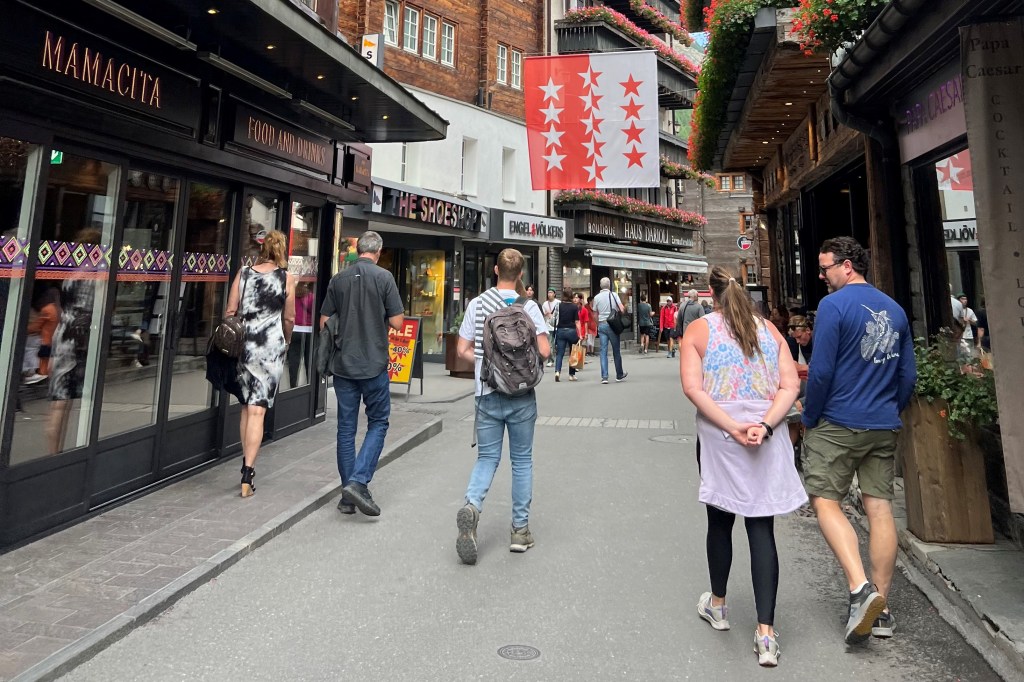
A lot of travelers swear by Hokas and I recently had success with some $80 Skechers but any comfy tennis shoe should do. Make sure to wear them for long distances at home so you know they’ll work long-term.
8. Door stopper
It may come as a surprise, but some accommodations you come across may not have locks, especially budget-friendly options like hostels, in smaller towns and villages, and room rentals in houses and apartments.
It’s always a good idea as a woman alone to sleep behind a locked door. A simple door-stopper can solve the problem if it arises. Some these days even come with loud alarms set to go off if pressure is applied to a door.
9. A book
It’s a bit of a stretch thinking of a book as a safety item, but it can be a lifesaver if you’re a woman alone eating at the bar, something I do often on solo trips.
It’s a signal to men that you don’t want to be bothered and you’re not in the mood for conversation. Though some will persist in talking to you, saying, “I’d just like to read, thank you,” is usually enough to quash unwanted attention. I find it more difficult to fend off unwanted attention without the crutch of a book.
If you want an even more reliable way to discourage conversation while eating out, consider asking to sit at a table. I can’t remember ever being approached at a table and it can be nice having the extra space to myself.
10. A refillable water bottle
When it comes to long days exploring a new city, drinking water is essential. Outside of the U.S., it is fairly rare to be served water while eating out. If you order it, generally you will get a small, overpriced bottle.
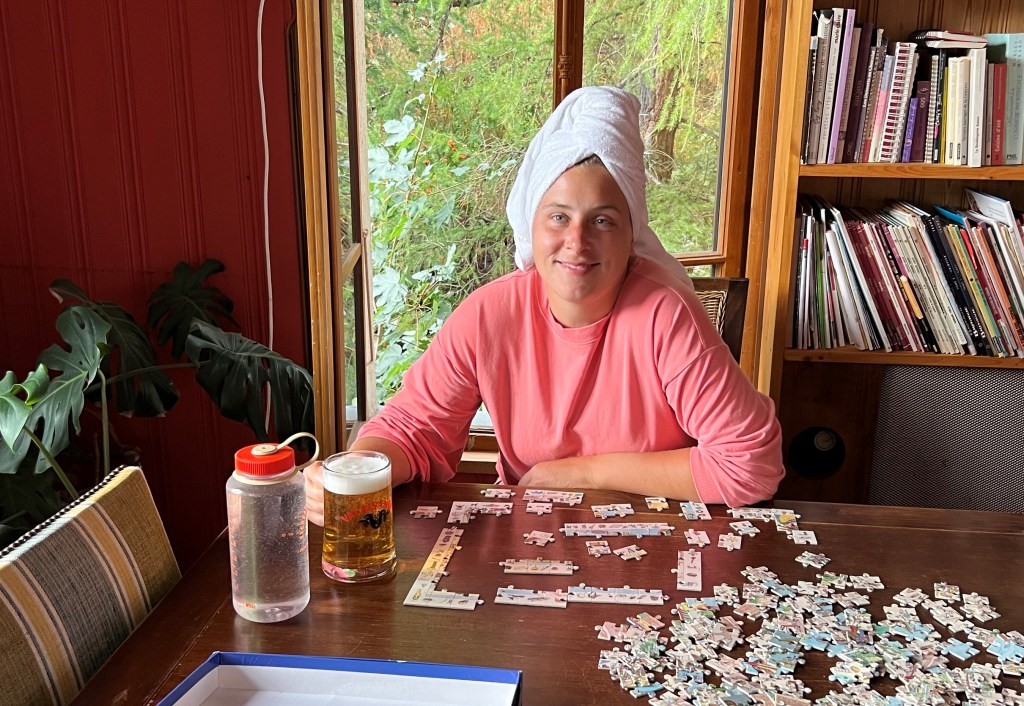
Carrying a refillable water bottle is not only good for the environment, it’s good for your health. Many countries have convenient public fountains for filling up. Check whether the place you’ll be has safe tap water.
If you’re somewhere where the water isn’t safe, I still recommend carrying a refillable bottle and filling it up yourself with gallons of water you purchase. The less plastic waste the better.
If my trip includes a lot of hiking, I usually have a 2-liter bottle with me anyway. I like Nalgene because they’re super lightweight when they’re empty and the strap on top can simply be secured to the outside of a backpack as opposed to taking up space in your luggage.
A final note
A lot of women feel a lot safer with a weapon of some sort. I’m not one of them. But if you are, do know that carrying around knives and pepper spray is illegal in many places around the world. Some women sidestep this by carrying mosquito spray. Others find comfort in simply carrying a whistle.
I would argue that the best way to stay safe is a combination of common sense and a self-defense class. Most safety experts warn that you should not carry a weapon that you wouldn’t want to be used on you in the event that you are disarmed.
Another important item is travel insurance. Most travel experts agree that insurance is absolutely essential should something go wrong. That could be a broken ankle or having to leave a trip early because of a family emergency.
I have not included it on my list because I, embarrassingly, have not used travel insurance. I always mean to get it and never do. It’s something I aspire to include on all my future trips. If you’re smarter than me and want to insure your trip, check out this helpful article on CNBC.
Happy travels!
___
Related:
INTERVIEW: Carrie Pasquarello wrote the book about travel safety. Here’s what she recommends for solo women.
GUIDE: How to start planning your first solo trip, step by step
 She Goes Alone
Take risks and step outside of your comfort zone. You never know what amazing things you can achieve when you push yourself to try new things.
LikeLike